Facebook Emoji Tracking: What Businesses Should Know
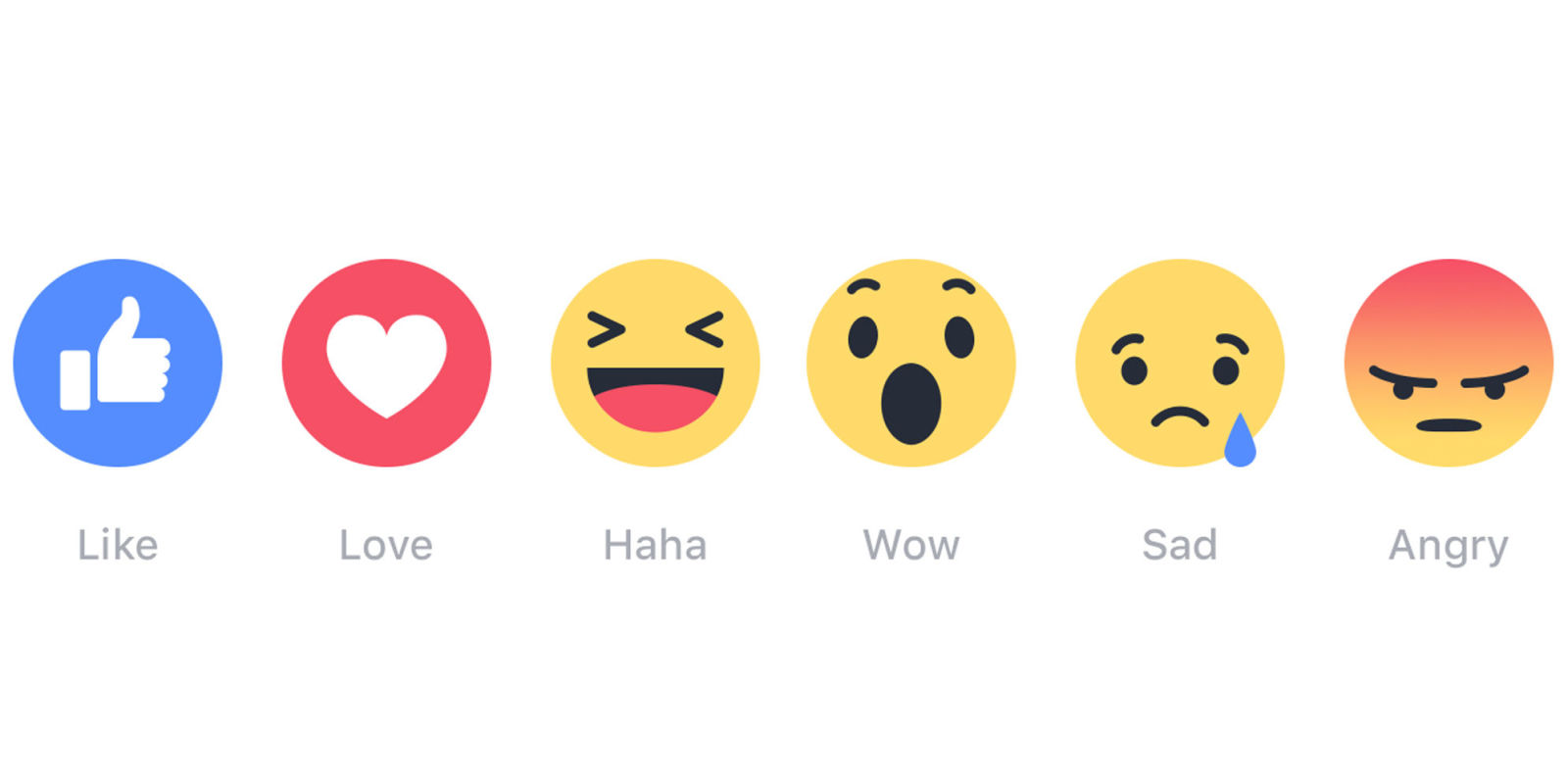
Facebook emoji tracking refers to how Facebook can collect and analyze reactions such as Like, Love, Care, Haha, Wow, Sad, and Angry. These reactions provide more information than the original Like button because they show different types of engagement.
For everyday users, clicking a reaction may feel like a simple way to respond to a post. However, that action can become one of many signals used to understand interests, personalize content, measure engagement, and shape the Facebook experience.
Small business owners should understand how these signals work. Facebook reactions can affect marketing data, employee privacy, advertising decisions, and the information available to people who may target business accounts.
Facebook reactions are engagement signals. Meta may combine them with other account activity to personalize content, recommendations, and advertising experiences.
What Is Facebook Emoji Tracking?
Facebook emoji tracking is the collection and analysis of reactions users leave on posts, videos, advertisements, comments, and other content. A reaction can help the platform understand that a person interacted with a topic and how that person chose to respond.
According to the Meta Privacy Policy, Meta collects information about how people use its products. The company states that collected information may be used to personalize features, content, recommendations, and advertisements.
A single reaction does not create a complete profile. It becomes more useful when combined with other activity, such as pages followed, videos watched, links clicked, searches performed, and posts shared.
What Can a Facebook Reaction Communicate?
A reaction may communicate more context than a basic Like. Depending on the post, it may suggest interest, support, amusement, surprise, concern, sadness, or frustration.
- Like: General approval, acknowledgment, or interest.
- Love: Strong approval, support, or emotional connection.
- Care: Support, concern, or empathy.
- Haha: Amusement or a humorous response.
- Wow: Surprise, interest, or amazement.
- Sad: Sympathy, disappointment, or sadness.
- Angry: Disagreement, frustration, or anger.
The meaning is not always exact. A person may use an Angry reaction to show support for someone affected by an unfair event, not anger toward the person who created the post.
Does Facebook Use Reactions to Personalize Your Feed?
Facebook can use reactions as part of the broader activity it analyzes to personalize a user’s experience. Reactions may help show that a person is interested in a post, creator, business, topic, or conversation.
Facebook does not publicly explain every current ranking factor or the exact value assigned to each reaction. Algorithms also change over time. It is more accurate to view reactions as one signal among many instead of assuming that one emoji controls everything a person sees.
How Reactions May Influence Content Recommendations
When users repeatedly interact with similar content, the platform may learn that those subjects are relevant to them. This can contribute to recommendations involving related pages, videos, groups, advertisements, or posts.
For example, a user who often reacts to posts about local real estate may begin seeing more content from agents, property pages, mortgage companies, home service providers, and related advertisers.
Can Reactions Affect the Ads You See?
Reactions may contribute to the activity used to personalize advertising. Meta explains that ad experiences may be influenced by actions taken across its products, profile information, interests, and other available signals.
Users can visit Facebook’s Ad Preferences area to review and manage some of the information used for advertising. Changing these settings may reduce certain types of personalization, but it does not remove all advertisements.
Is Facebook Reaction Tracking a Privacy Risk?
Facebook reaction tracking is mainly a privacy and data-awareness issue. Clicking a reaction does not automatically mean an account has been hacked or that private business files have been exposed.
The concern is that frequent online interactions can reveal patterns. Over time, those patterns may suggest personal interests, political interests, professional relationships, emotional responses, consumer habits, or topics that attract attention.
A reaction may seem small, but repeated reactions can contribute to a larger picture of a person’s interests and online behavior.
Privacy Risk and Account Security Are Different
Privacy focuses on how information is collected, used, shared, and controlled. Account security focuses on preventing unauthorized access, phishing, password theft, scams, malware, and account takeover.
Both matter to a business. Privacy settings can help reduce unnecessary exposure, while security controls help prevent criminals from gaining access to the account itself.
Why Does Facebook Tracking Matter to Small Businesses?
Facebook tracking matters because businesses use the platform for advertising, customer communication, recruiting, community engagement, and brand management. The same activity that helps a business understand its audience can also create privacy and security concerns.
Marketing Teams Use Reactions as Engagement Data
A business can review reactions to understand how people respond to its content. A high number of Love or Care reactions may suggest a positive emotional connection. Angry or Sad reactions may show that a subject needs careful communication.
However, reactions should not be interpreted without context. Businesses should also review comments, clicks, conversions, customer questions, and the intent of the original post.
Employee Activity Can Reveal Business Information
Public interactions may reveal employee relationships, vendors, clients, industry interests, travel plans, or internal events. Attackers can use publicly available details to create more convincing phishing messages and impersonation attempts.
- An employee reacts to a post announcing a new company vendor.
- A manager comments on an upcoming business trip.
- Team members react to posts from a major client.
- An administrator publicly identifies the tools used by the company.
Each action may seem harmless. Together, they can give a scammer useful information about the company and its employees.
Business Accounts Can Still Be Targeted Directly
Reaction tracking itself does not take over an account. The larger risk comes from weak passwords, shared credentials, fake Meta support messages, malicious links, outdated recovery information, and excessive administrator access.
Businesses that need help protecting employee accounts, devices, cloud tools, and access permissions can review trueITpros’ small business IT security support.
How Can You Review and Limit Facebook Data?
Users can reduce unnecessary exposure by reviewing their activity, advertising preferences, connected applications, privacy settings, and account security. These steps do not make an account invisible, but they provide more control.
- Review your Activity Log. Look at past reactions, comments, posts, searches, and other account actions.
- Update Ad Preferences. Review advertising topics and available personalization controls.
- Check connected apps. Remove applications and websites that no longer need access.
- Limit public information. Review who can see posts, contact details, friend lists, and profile information.
- Enable multi-factor authentication. Add another verification step to help prevent unauthorized access.
- Review active sessions. Sign out of devices or locations you do not recognize.
Where Can You Find Old Facebook Reactions?
Facebook’s Activity Log allows users to review and manage past account activity. Available categories and menu names may change, but the Activity Log is the main place to review previous interactions.
Removing a reaction may remove that visible interaction from the post. It does not necessarily mean every related record or previously generated insight is immediately removed from all Meta systems.
What Should a Business Include in Its Social Media Policy?
A social media policy should explain who can manage business accounts, what employees may share, how access is granted, and how suspicious activity should be reported.
- Use named accounts instead of shared passwords whenever possible.
- Require multi-factor authentication for administrators.
- Give users only the permissions needed for their roles.
- Remove access as soon as an employee or vendor leaves.
- Do not publish client information without approval.
- Teach employees how to recognize fake account warnings and phishing messages.
- Create a recovery plan before an account is locked or compromised.
What Did the Facebook Emotion Study Actually Show?
A widely discussed Facebook study examined whether the emotional content shown in a person’s News Feed could influence the language that person later used in posts.
The study involved 689,003 users and was published in 2014 in the Proceedings of the National Academy of Sciences. Researchers reported small changes in the emotional language used by people after the amount of positive or negative content in their feeds was adjusted.
The study raised important questions about informed consent, platform influence, and the ethical use of user data. However, it happened before Facebook introduced its expanded reaction emojis. It should not be presented as proof of how the current Facebook algorithm ranks reactions today.
FAQ About Facebook Emoji Tracking
Does Facebook track which reaction I use?
Yes. Reactions are part of your activity on Facebook. They may be stored in your Activity Log and used with other information to personalize your experience.
Do Facebook reactions affect advertisements?
They may contribute to the activity and interest signals used for ad personalization. Facebook does not publicly disclose the exact advertising value of every reaction.
Can someone see all the posts I have reacted to?
People may see your reaction on posts they are permitted to view. Your complete Activity Log is not normally public, but individual reactions can be visible based on the post’s audience and privacy settings.
Does removing a Facebook reaction delete the data?
Removing the reaction can remove the visible interaction from the post. It may not immediately delete every related record, backup, measurement, or previously created insight held by the platform.
Are Facebook reactions a cybersecurity threat?
A reaction alone is not usually a cybersecurity threat. The risk increases when public interactions reveal useful personal or business details that criminals can use for phishing, impersonation, or social engineering.
Protect the Accounts Behind Your Online Presence
Social media privacy is only one part of protecting a business. Companies must also secure administrator accounts, employee devices, email systems, passwords, cloud platforms, and access permissions.
trueITpros helps Atlanta small businesses build practical technology and security processes. Our team can help review account access, strengthen identity protection, support employee security awareness, and reduce the risk created by weak or unmanaged systems.
To learn more about how trueITpros can help your company with Managed IT Services in Atlanta, contact us at www.trueitpros.com/contact
Related Content
- Secure Your Social Media: Protect Business Accounts Fast
- Avoid Oversharing on Social Media: Cybersecurity Tips for SMBs
- PII Risks: How Oversharing Personal Info Endangers Your Business
“`